Earth Planet
In the very beginning of earth's history, this planet was a giant, red hot, roiling, boiling sea of molten rock - a magma ocean. The heat had been generated by the repeated high speed collisions of much smaller bodies of space rocks that continually clumped together as they collided to form this planet. As the collisions tapered off the earth began to cool, forming a thin crust on its surface. As the cooling continued, water vapor began to escape and condense in the earth's early atmosphere. Clouds formed and storms raged, raining more and more water down on the primitive earth, cooling the surface further until it was flooded with water, forming the seas.
It is theorized that the true age of the earth is about 4.6 billion years old, formed at about the same time as the rest of our solar system. The oldest rocks geologists have been able to find are 3.9 billion years old. Using radiometric dating methods to determine the age of rocks means scientists have to rely on when the rock was initially formed (as in - when its internal minerals first cooled). In the infancy of our home planet the entire earth was molten rock - a magma ocean.
Since we can only measure as far back in time as we had solid rock on this planet, we are limited in how we can measure the real age of the earth. Due to the forces of plate tectonics, our planet is also a very dynamic one; new mountains forming, old ones wearing down, volcanoes melting and reshaping new crust. The continual changing and reshaping of the earth's surface that involves the melting down and reconstructing of old rock has pretty much eliminated most of the original rocks that came with earth when it was newly formed. So the age is a theoretical age.
When Did Life on Earth Begin?
Scientists are still trying to unravel one of the greatest mysteries of earth: When did "life" first appear and how did it happen? It is estimated that the first life forms on earth were primitive, one-celled creatures that appeared about 3 billion years ago. That's pretty much all there was for about the next two billion years. Then suddenly those single celled organisms began to evolve into multicellular organisms. Then an unprecedented profusion of life in incredibly complex forms began to fill the oceans. Some crawled from the seas and took residence on land, perhaps to escape predators in the ocean. A cascading chain of new and increasingly differentiated forms of life appeared all over the planet, only to be virtually annihilated by an unexplained mass extinction. It would be the first of several mass extinctions in Earth's history.
Scientists have been looking increasingly to space to explain these mass extinctions that have been happening almost like clockwork since the beginning of "living" time. Perhaps we've been getting periodically belted by more space rocks (ie. asteroids), or the collision of neutron stars happening too close for comfort? Each time a mass extinction occurred, life found a way to come back from the brink. Life has tenaciously clung to this small blue planet for the last three billion years. Scientists are finding new cues as to how life first began on earth in some really interesting places - the deep ocean.
Checking the Fossil Record
Scientists have studied rocks using radiometric dating methods to determine the age of earth. Another really cool thing they've found in rocks that tells us more about the story of earth's past are the remains of living creatures that have been embedded in the rocks for all time. We call these fossils. It has been the careful study of earth's fossil record that has revealed the exciting picture about the kinds of creatures that once roamed this planet. Fossilized skeletons of enormous creatures with huge claws and teeth, ancient ancestors of modern day species (such as sharks) that have remained virtually unchanged for millions of years, and prehistoric jungles lush with plant life, all point to a profusion of life and a variety of species that continues to populate the earth, even in the face of periodic mass extinctions.
By studying the fossil record scientists have determined that the earth has experienced very different climates in the past. In fact, general climactic conditions, as well as existing species, are used to define distinct geologic time periods in earth's history. For example, periodic warming of the earth - during the Jurassic and Cretaceous periods - created a profusion of plant and animal life that left behind generous organic materials from their decay. These layers of organic material built up over millions of years undisturbed. They were eventually covered by younger, overlying sediment and compressed, giving us fossil fuels such as coal, petroleum and natural gas.
Alternately, the earth's climate has also experienced periods of extremely cold weather for such prolonged periods that much of the surface was covered in thick sheets of ice. These periods of geologic time are called ice ages and the earth has had several in its history. Entire species of warmer-climate species died out during these time periods, giving rise to entirely new species of living things which could tolerate and survive in the extremely cold climate. Believe it or not, humans were around during the last ice age - the Holocene (about 11,500 years ago) - and we managed to survive. Creatures like the Woolly Mammoth - a distant relative of modern-day elephants - did not.
Read about a really exciting recent find of a perfectly-preserved, frozen Woolly Mammoth! This was a particularly exciting find because it wasn't a fossil that scientists found, but actual tissue, which still has its DNA record intact.
Also, read more about the Ice Man - another frozen tissue sample of a human being who was frozen into the high mountains of France. He was just recently discovered as thousands of years of ice pack have finally melted from around his body.


In the very beginning of earth's history, this planet was a giant, red hot, roiling, boiling sea of molten rock - a magma ocean. The heat had been generated by the repeated high speed collisions of much smaller bodies of space rocks that continually clumped together as they collided to form this planet. As the collisions tapered off the earth began to cool, forming a thin crust on its surface. As the cooling continued, water vapor began to escape and condense in the earth's early atmosphere. Clouds formed and storms raged, raining more and more water down on the primitive earth, cooling the surface further until it was flooded with water, forming the seas.
It is theorized that the true age of the earth is about 4.6 billion years old, formed at about the same time as the rest of our solar system. The oldest rocks geologists have been able to find are 3.9 billion years old. Using radiometric dating methods to determine the age of rocks means scientists have to rely on when the rock was initially formed (as in - when its internal minerals first cooled). In the infancy of our home planet the entire earth was molten rock - a magma ocean.
Since we can only measure as far back in time as we had solid rock on this planet, we are limited in how we can measure the real age of the earth. Due to the forces of plate tectonics, our planet is also a very dynamic one; new mountains forming, old ones wearing down, volcanoes melting and reshaping new crust. The continual changing and reshaping of the earth's surface that involves the melting down and reconstructing of old rock has pretty much eliminated most of the original rocks that came with earth when it was newly formed. So the age is a theoretical age.
When Did Life on Earth Begin?
Scientists are still trying to unravel one of the greatest mysteries of earth: When did "life" first appear and how did it happen? It is estimated that the first life forms on earth were primitive, one-celled creatures that appeared about 3 billion years ago. That's pretty much all there was for about the next two billion years. Then suddenly those single celled organisms began to evolve into multicellular organisms. Then an unprecedented profusion of life in incredibly complex forms began to fill the oceans. Some crawled from the seas and took residence on land, perhaps to escape predators in the ocean. A cascading chain of new and increasingly differentiated forms of life appeared all over the planet, only to be virtually annihilated by an unexplained mass extinction. It would be the first of several mass extinctions in Earth's history.
Scientists have been looking increasingly to space to explain these mass extinctions that have been happening almost like clockwork since the beginning of "living" time. Perhaps we've been getting periodically belted by more space rocks (ie. asteroids), or the collision of neutron stars happening too close for comfort? Each time a mass extinction occurred, life found a way to come back from the brink. Life has tenaciously clung to this small blue planet for the last three billion years. Scientists are finding new cues as to how life first began on earth in some really interesting places - the deep ocean.
Checking the Fossil Record
Scientists have studied rocks using radiometric dating methods to determine the age of earth. Another really cool thing they've found in rocks that tells us more about the story of earth's past are the remains of living creatures that have been embedded in the rocks for all time. We call these fossils. It has been the careful study of earth's fossil record that has revealed the exciting picture about the kinds of creatures that once roamed this planet. Fossilized skeletons of enormous creatures with huge claws and teeth, ancient ancestors of modern day species (such as sharks) that have remained virtually unchanged for millions of years, and prehistoric jungles lush with plant life, all point to a profusion of life and a variety of species that continues to populate the earth, even in the face of periodic mass extinctions.
By studying the fossil record scientists have determined that the earth has experienced very different climates in the past. In fact, general climactic conditions, as well as existing species, are used to define distinct geologic time periods in earth's history. For example, periodic warming of the earth - during the Jurassic and Cretaceous periods - created a profusion of plant and animal life that left behind generous organic materials from their decay. These layers of organic material built up over millions of years undisturbed. They were eventually covered by younger, overlying sediment and compressed, giving us fossil fuels such as coal, petroleum and natural gas.
Alternately, the earth's climate has also experienced periods of extremely cold weather for such prolonged periods that much of the surface was covered in thick sheets of ice. These periods of geologic time are called ice ages and the earth has had several in its history. Entire species of warmer-climate species died out during these time periods, giving rise to entirely new species of living things which could tolerate and survive in the extremely cold climate. Believe it or not, humans were around during the last ice age - the Holocene (about 11,500 years ago) - and we managed to survive. Creatures like the Woolly Mammoth - a distant relative of modern-day elephants - did not.
Read about a really exciting recent find of a perfectly-preserved, frozen Woolly Mammoth! This was a particularly exciting find because it wasn't a fossil that scientists found, but actual tissue, which still has its DNA record intact.
Also, read more about the Ice Man - another frozen tissue sample of a human being who was frozen into the high mountains of France. He was just recently discovered as thousands of years of ice pack have finally melted from around his body.
Earth Planet

Earth Planet
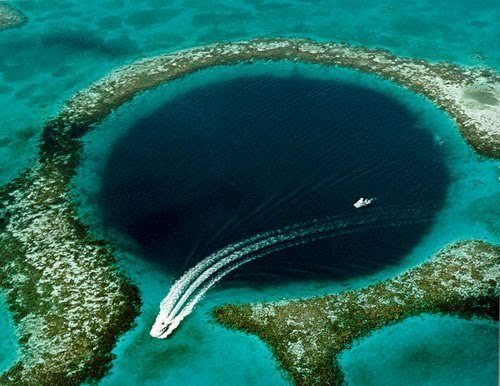
Earth Planet

Earth Planet
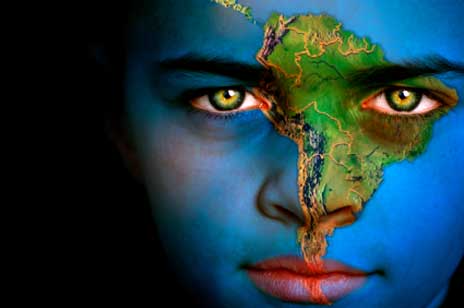
Earth Planet

Earth Planet

Earth Planet

Earth Planet

Earth Planet


